
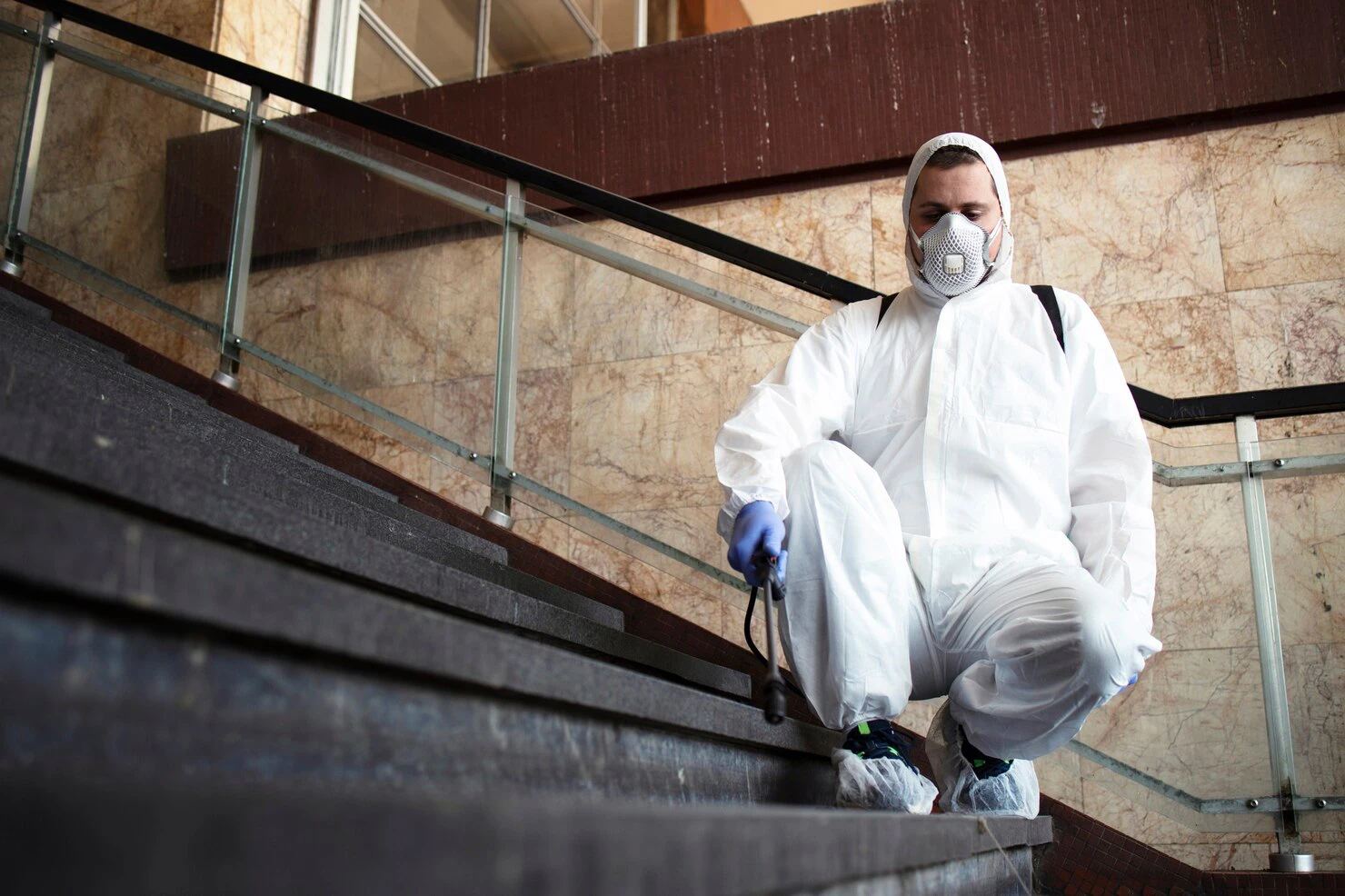
Pest risks in commercial buildings drop significantly when pest control is built into routine facility management rather than treated as an emergency response. Proactive inspections, structural maintenance, sanitation protocols, and Integrated Pest Management (IPM) work together to prevent infestations before they spread. According to the U.S. Environmental Protection Agency, IPM-based facility programs cut pesticide use by up to 90% while improving long-term pest suppression. Commercial buildings face constant pest pressure from foot traffic, deliveries, waste handling, and structural wear. MET supports property owners with integrated approaches that connect pest control directly to the daily maintenance of building systems.
What Role Does a Facility Management Company Play in Pest Control?
A facility management company coordinates the people, schedules, and systems needed to keep pests out of a commercial property. This makes pest control one part of a broader prevention strategy rather than an isolated reactive service.
Core responsibilities include:
- Scheduling routine inspections and licensed pest treatments across all tenant zones
- Coordinating janitorial, waste, and sanitation contractors on a unified calendar
- Tracking infestation reports, treatment logs, and recurrence patterns over time
- Maintaining entry points, vents, dock seals, and structural barriers
This coordinated model closes the gaps between vendors that pests typically exploit.
Which Pests Most Commonly Threaten Commercial Buildings Today?
Rodents, cockroaches, ants, mosquitoes, bed bugs, and termites account for most commercial infestations, according to the National Pest Management Association. Each species enters through different vulnerabilities such as loading docks, plumbing penetrations, exterior foliage, or shared walls. The Centers for Disease Control and Prevention links rodents and cockroaches to asthma triggers, foodborne illness, and contamination of stored goods. Identifying which pests pose the highest risk for a specific property helps shape a focused pest control plan.
How Does Proper Maintenance of Building Systems Prevent Pest Infestations?
The maintenance of building components removes the moisture, food, and shelter pests need to survive. Small repairs handled early stop colonies from establishing inside walls, ceilings, and utility corridors.
Key maintenance tasks include:
- Sealing cracks, gaps, and utility penetrations smaller than 1/4 inch
- Repairing plumbing leaks, condensation issues, and poor drainage quickly
- Cleaning HVAC drip pans, filters, grease traps, and roof drains on schedule
- Trimming vegetation at least 18 inches away from exterior walls and rooflines
Consistent upkeep removes the conditions that attract and sustain pest populations.
What are the Best Practices in Managing Facility Pest Risks Effectively?
Managing facility pest risks works best through Integrated Pest Management, a framework endorsed by the EPA and the World Health Organization. IPM combines monitoring, exclusion, sanitation, mechanical controls, and targeted chemical use only when action thresholds are exceeded. Documented logs, tenant education, and clear escalation paths keep the program accountable across multiple buildings. A 2022 review in the Journal of Integrated Pest Management reported that IPM-based facility programs reduced pest complaints by over 70% within 12 months.
How Often Should Commercial Properties Schedule Pest Control Inspections?
Inspection frequency depends on building type, tenant mix, and surrounding environment. High-risk facilities such as food service, healthcare, and warehousing require more frequent visits than standard office spaces.
General inspection guidelines:
- Office buildings: quarterly inspections at a minimum
- Retail and mixed-use spaces: monthly inspections
- Food service and hospitality: bi-weekly or weekly inspections
- Healthcare facilities and laboratories: weekly visits with continuous monitoring devices
Higher-risk environments demand tighter inspection cycles to stay compliant with public health regulations.
What are the Warning Signs of Pest Problems in Commercial Properties?
Early indicators include droppings, gnaw marks, grease trails along baseboards, shed insect skins, musty odors, and pest sightings during business hours. The U.S. Food and Drug Administration treats these signs as critical violations during commercial inspections, particularly in food-handling facilities. Tenants often report secondary clues such as damaged inventory, chewed electrical wiring, and stained ceiling tiles. Acting on these signs within 24 to 48 hours prevents minor sightings from escalating into widespread infestations.
Why Consult with MET?
MET delivers integrated facility management solutions that combine pest control, preventive maintenance, and sanitation oversight under one accountable team. Years of experience across commercial, retail, and industrial properties allow MET to identify pest risks early and address them before they disrupt operations. Partnering with MET means cleaner facilities, healthier tenants, and a property that stays compliant with health and safety standards year-round.
Conclusion
Reducing pest risks in commercial buildings comes down to consistent prevention through structured facility management. Routine inspections, proper maintenance of building systems, and Integrated Pest Management practices work together to keep properties safer and more compliant.
Strong pest prevention requires a partner that understands the full picture of managing facility operations. If you are looking for a dependable facility management company to protect your commercial property from pest risks, get in touch with MET today and let the team build a customized prevention plan that keeps your building clean and secure!
