
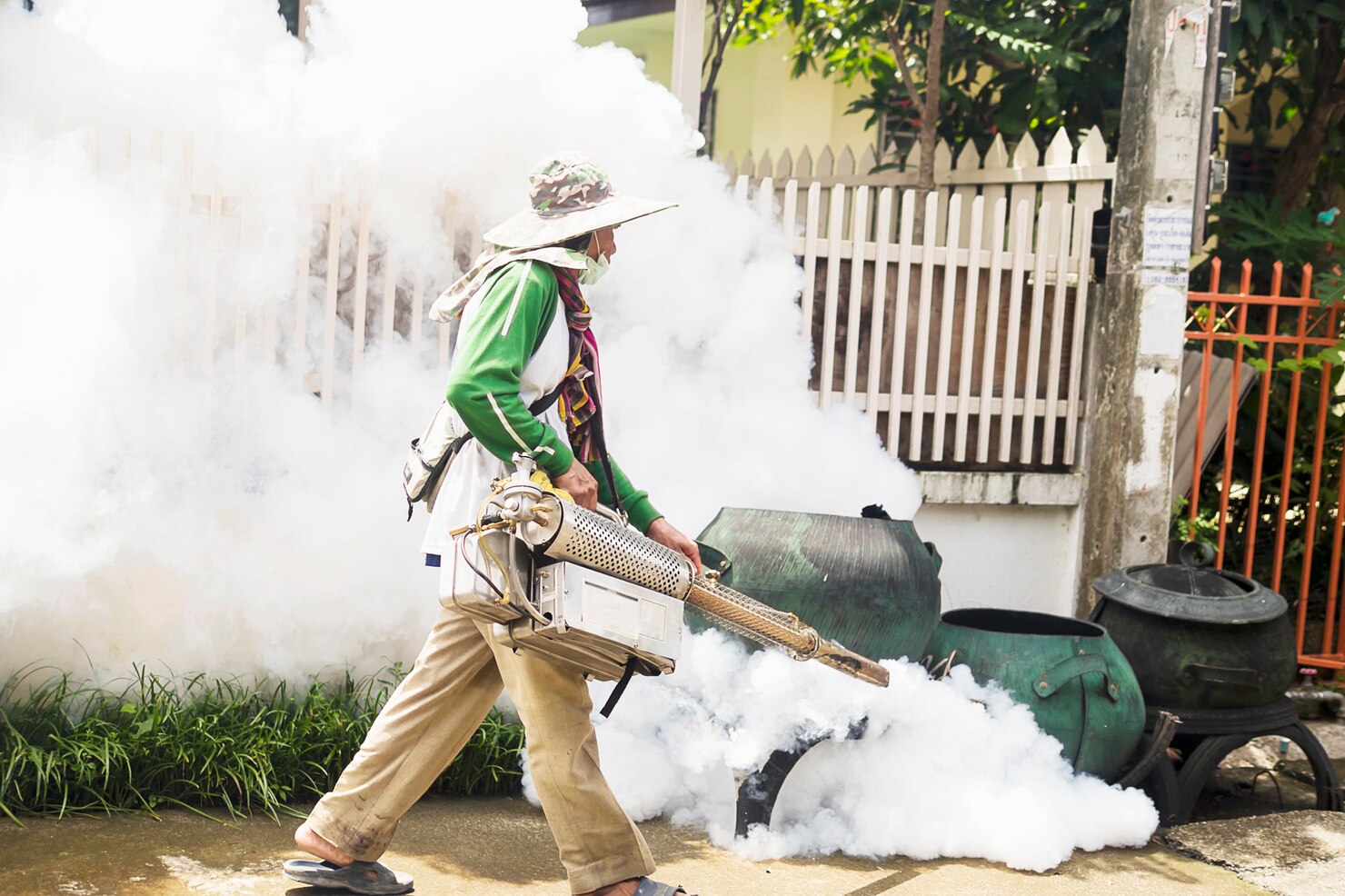
Pests invade Singapore homes mainly because of high humidity, frequent rain, dense urban housing and easy access to food and water. Cockroaches, ants and mosquitoes are the most common culprits, with termites and rodents showing up more in older or ground floor units. Regular inspection, sealing entry points, proper food storage and a scheduled pest control service cut the risk substantially, and professional treatment is usually the only real fix once an infestation has already taken hold.
Anyone who has lived in a Singapore flat through a wet spell knows the drill. A cockroach skitters out from under the fridge, or a line of ants forms overnight between the bin and the kitchen counter. It is not bad luck. Singapore’s climate, dense housing stock and food culture create close to ideal conditions for pests to settle in, and it takes deliberate upkeep, not an occasional can of spray, to keep them out. MET Engineering has dealt with this exact problem across homes and commercial buildings around the island for years, and the same patterns keep showing up.
Why Are Pests Becoming More Common in Singapore Homes
Warmer average temperatures, heavier rain and consistently high humidity all push pest activity upward, and Singapore’s climate ticks every one of those boxes year-round. Urban density adds to the pressure, since shared walls, communal bin points and stacked units mean an infestation in one flat can spread to neighbors within weeks. Government surveillance data shows just how closely pest and vector numbers track weather and season, with case counts climbing sharply whenever breeding conditions improve going into the wet months.
What Attracts Cockroaches and Ants into HDB Flats and Condos
Cockroaches and ants are not fussy, but they do have preferences. Kitchens, bin points and anywhere with leftover moisture give them exactly what they are after.
- Uncovered food waste left in the kitchen or bin corner overnight
- Damp patches under sinks, washing machines and aircon drip trays
- Small gaps around pipes, skirting boards and window frames
- Cluttered storage areas that offer shelter from light
- Shared refuse chutes in older HDB blocks
None of these look dramatic on their own, but together they add up to an open invitation.
How Does Singapore Humidity and Rainfall Fuel Pest Activity
Singapore sits above 80 percent average humidity for most of the year, which alone keeps pest populations comfortable both indoors and out. Rain leaves standing water in flowerpots, gutters and construction sites, which is exactly what Aedes mosquitoes need to breed. From January to May 15, 2026, more than 600 dengue cases were recorded, a 66 percent decrease from the same period in 2025, and the weekly case count still climbed to a 2026 high as the wet season set in, with around two thirds of breeding sites traced back to homes rather than public areas.
What Are the Warning Signs of a Termite or Rodent Problem
Termites and rodents do their damage quietly, which is what makes them expensive by the time anyone notices. A few signs are worth checking before the problem turns structural.
- Hollow sounding or crumbling wood around door frames and skirting
- Mud tubes running along walls or foundations
- Droppings near food storage, drawers or behind appliances
- Gnaw marks on cables, cardboard or furniture edges
- Scratching sounds inside walls or ceilings at night
Catching even one of these early usually means a smaller, cheaper fix.
How Often Should Homes in Singapore Book Pest Control Service
There is no single answer here, since it depends on the unit’s age, floor level and surroundings. Ground floor units near greenery or food outlets generally need quarterly visits, while higher floor units in newer condos can often get by on a twice yearly schedule. Older HDB flats with a history of infestation tend to do better on a fixed quarterly plan rather than waiting for the problem to reappear before calling someone.
What Should You Look for in a Pest Control Service in Singapore
Not every pest control company operates the same way, and price alone is not a good filter. A few practical checks separate the reliable operators from the rest.
- Licensing for the chemicals and methods used in residential settings
- A clear explanation of the pest species and treatment plan, not just a quick visit and spray
- Follow up visits included in the plan rather than billed as extras
- Willingness to explain the likely source of the infestation, not just treat what is visible
- Experience with the specific building type, whether HDB, condo or commercial premises
A company that answers these questions without hesitation is usually one that has done the work before.
Why Choose MET?
MET Engineering has offered pest control and facility management services across Singapore for more than two decades, working with both residential units and commercial buildings. The team handles the licensing and treatment methods directly rather than subcontracting and follow-up visits are built into most service plans instead of charged separately. For homes dealing with recurring cockroach, ant, termite or rodent issues, MET’s technicians diagnose the source of the problem before treating it, which tends to hold up better than a one-time spray.
Conclusion
Pest problems in Singapore rarely come down to one bad habit or one dirty corner. Humidity, rainfall, dense housing and shared building infrastructure all play a part, and most infestations build up quietly over weeks before anyone notices droppings, mud tubes or a trail of ants. Catching the early signs and keeping a regular inspection schedule saves both money and hassle compared to dealing with a full-blown infestation later.
