
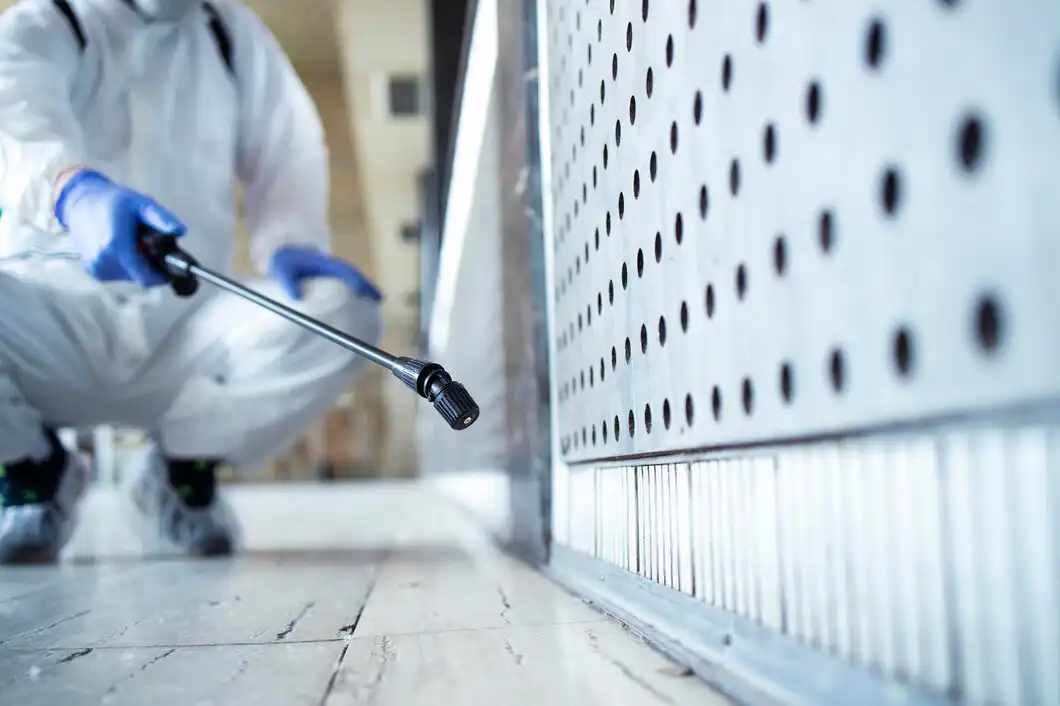
Pests in Singapore offices most often hide in pantries, server rooms, false ceilings, riser shafts, and bin areas because these spots offer warmth, moisture, food residue, and little daily disturbance. Cockroaches favor equipment rooms and pantry cabinets, rodents move through riser shafts and false ceilings, and both spread fastest in buildings where pest control is reactive rather than scheduled.
Office buildings in Singapore’s climate give pests a lot to work with. Humidity sits high year round, air conditioning creates warm equipment pockets, and multi tenant buildings mean one floor’s poor housekeeping becomes every floor’s problem once pests find a riser shaft to travel through. MET, a pest management and facility services provider in Singapore, deals with this pattern across office towers, retail podiums, and warehouses on a near daily basis.
Where Do Pests Typically Hide in an Office Building
Pantries and shared kitchenettes draw pests before anywhere else in a building, since crumbs, sugar residue, and standing water in sink traps supply everything a cockroach or ant colony needs. Server rooms and IT closets run warm and are rarely cleaned, which suits cockroaches that prefer dark, undisturbed heat sources. False ceilings and riser shafts function as highways, letting rodents and larger insects move between floors without ever crossing open office space. Below is where inspections tend to turn up the most activity.
- Pantry cabinets, especially behind appliances and under sinks
- Server rooms and comms closets, where warmth masks early infestations
- False ceiling voids and riser shafts, used as travel routes between floors
- Bin storage and loading bay areas, particularly if collection schedules slip
- Storeroom corners and cardboard stacks, which retain moisture and rarely get moved
A building that scores well on visible cleanliness can still have an active infestation in exactly these spots.
How Is a Cockroach Infestation Different from a Rodent One
Cockroaches concentrate around heat and food residue, so they cluster in pantries, server rooms, and equipment housings, and a single sighting during daylight hours usually means the population behind the scenes is already substantial. Rodents behave more like a logistics problem, using riser shafts, cable penetrations, and gaps under fire doors to move between floors, which is why droppings sometimes appear on a floor with no food source at all. Research from Rutgers University’s Department of Entomology on gel bait and monitoring based cockroach control found this approach cut insecticide residue in treated units by 74 percent over a year compared with routine spraying, which reflects why targeted baiting at harborage points now outperforms blanket fogging in most commercial settings.
What Attracts Pests to Office Pantries and Break Rooms
Pantries fail for the same three reasons in almost every building: food left out overnight, moisture pooling under appliances, and bins that aren’t sealed between collections. A fridge that isn’t wiped down after spills becomes a slow feeding site, and a dishwasher or ice machine with a leaking seal creates the damp conditions ants and cockroaches need to establish a colony. None of this requires large quantities of food. Pests in commercial kitchens and pantries survive on what most cleaning crews consider negligible mess, which is exactly why pantry checks need to happen more often than the general office clean.
Where Do Pests Hide in Server Rooms and Equipment Areas
Server rooms and electrical risers sit near the top of the list for cockroach harborage because they combine heat, minimal foot traffic, and cable runs that create dozens of small gaps. Technicians rarely move equipment during routine work, so an infestation can build undisturbed for months. Once established, these spaces are harder to treat than open offices since chemical use near active electronics is restricted, which is why inspection frequency matters more here than almost anywhere else in a building.
- Behind and beneath server racks, where warm air collects
- Inside cable trays and conduit runs connecting floors
- Around UPS units and battery banks, which generate consistent heat
- Within false floors used for cable management in data centers
Buildings that schedule quarterly IT room inspections tend to catch infestations before they spread to adjacent floors.
Why Do Commercial Buildings in Singapore Need Scheduled Pest Inspections
Reactive pest control, calling someone only after sighting, tends to cost more and take longer to resolve than a scheduled programme, because by the time pests are visible during the day the hidden population is already established. A study published in the peer reviewed journal Insects found that switching from routine spraying to a monitoring and bait based integrated pest management programme reduced indoor insecticide residue levels by roughly three quarters within a year, without a drop in control effectiveness. Buildings under NEA food establishment licensing conditions face additional documentation requirements, since a written treatment report showing harborage sites checked and products used is often needed for audits and tenancy handovers.
Why Choose MET?
MET brings licensed NEA-certified technicians and combined pest and facility management expertise to commercial buildings across Singapore. The company works across office towers, warehouses, and retail properties, applying scheduled inspection programmes rather than one-off reactive visits. This approach targets the hiding spots facility teams often miss, including server rooms, riser shafts, and pantry areas.
Conclusion
Most pest problems inside offices and commercial buildings start in places nobody checks during a routine clean. Pantries, server rooms, false ceilings, and bin areas offer exactly the warmth, moisture, and undisturbed conditions cockroaches and rodents need to establish before anyone notices a daytime sighting. Catching that early depends less on how clean a building looks and more on whether the right spots get inspected on a schedule.
Facility teams that treat pest control as a scheduled part of building maintenance, rather than a call made after a complaint, tend to spend less over time and avoid the disruption of a full-blown infestation. Get in touch with MET today and ask about a scheduled inspection programme built around your building’s layout and tenant mix!
