
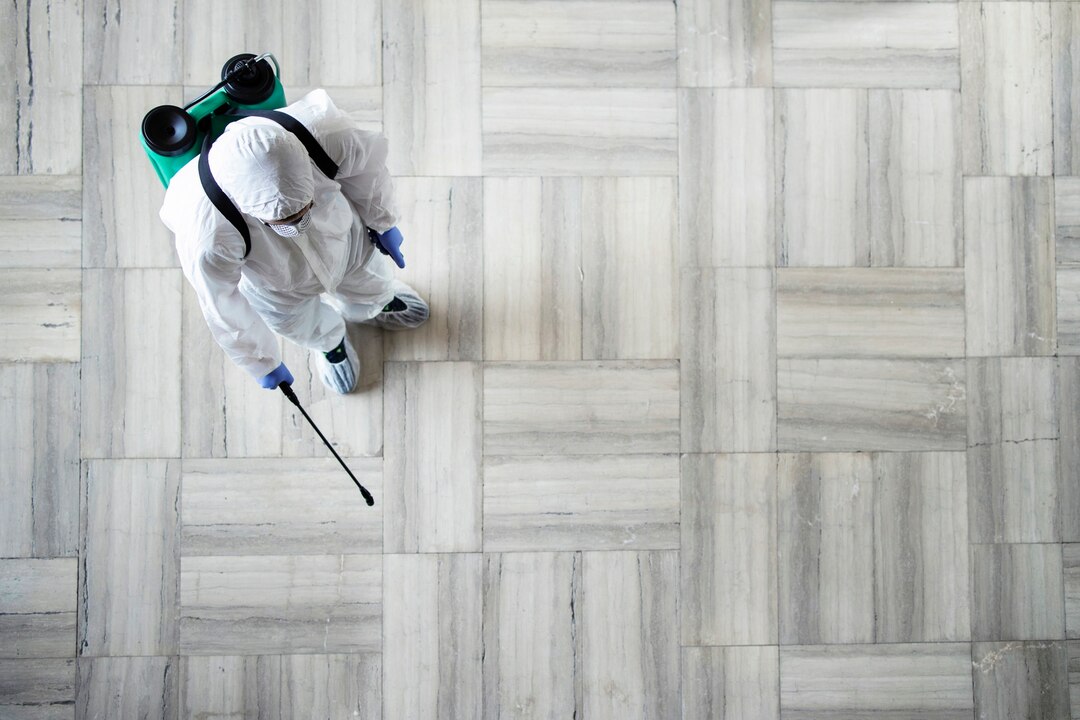
Renovation and construction work disturbs soil, opens structural gaps, and creates debris, all of which invite pests. The most effective approach is a three-phase strategy: pre-renovation inspection, active monitoring during works, and a post-renovation treatment once the site is cleared. Pest control must begin at mobilization, not at completion, waiting until handover means pests may already be sealed inside walls and ceiling voids.
Renovation projects in Singapore come with a hidden risk most homeowners and contractors overlook until it is too late: pest activity. Renovations disturb the natural habitats of pests, causing them to seek new places to live, and the resulting debris, open cavities, and moisture from construction work make properties particularly vulnerable. MET, a Singapore-based aircon servicing and pest control company, offers integrated pest control services for both residential and commercial renovation projects across the island.
Why Do Renovations and Construction Sites Attract Pests in Singapore?
Construction environments naturally provide pests with food, water, and shelter, and in Singapore’s tropical climate, this combination works fast. Disturbed soil exposes subterranean termite pathways. Open drainage and pooled rainwater become mosquito breeding grounds. Organic waste and leftover food from workers attract rodents and cockroaches almost immediately. The increased activity of people coming in and out with materials also raises the chances of pests being brought into the home. What makes this especially tricky is that most pest activity during a renovation is invisible. It is happening inside wall cavities, under floors, and in drainage voids that nobody checks until something goes wrong.
What Are the Most Common Pests Found on Renovation and Construction Sites?
Knowing what to watch for shapes the entire pest management approach. The pest types differ depending on the stage of works.
- Termites enter through soil disruption, particularly when existing foundations are broken up or soil near the structure is excavated. Post-construction termite control involves treating the soil around the facility foundation with treatments that work to kill pests upon contact while repelling others.
- Rodents are drawn to worker rest areas, food waste, and open storage zones. Rodent infestations occur due to leftover waste or open drainage and spread rapidly in cluttered site conditions.
- Cockroaches thrive in humid, dark environments. They hide in dark, humid spaces such as under sinks, behind cabinets, and inside service voids, using gaps around drains or plumbing as preferred entry routes.
- Mosquitoes breed in stagnant water from puddles, containers, and blocked drainage, a constant risk on active construction sites.
- Ants appear once works settle, following moisture and food traces left behind during the build.
NEA has the authority to issue Stop Work Orders to construction sites that pose a significant vector risk, which means pest activity is not just a property issue. It is a compliance issue with direct project consequences.
When Is the Right Time to Schedule Pest Control During a Renovation?
Timing is the variable most people get wrong. A single end-of-project treatment misses the window when intervention matters most. Soil treatment and concreting should be carried out on the same day, and pest control operators must not carry out soil treatment if it is likely to rain before treatment is completed. These are details that require coordination with the construction schedule, not an afterthought. The right approach runs in three stages:
- Pre-renovation: Inspect for existing pest activity, identify risk zones, and apply termite soil treatment before slabs are poured.
- During construction: Weekly or fortnightly monitoring of rodent bait stations, mosquito breeding checks, and waste management audits.
- Post-renovation: Full inspection of new entry points created by works, followed by targeted treatment before move-in.
Post-renovation cleaning focuses on surfaces, not hidden areas. By the time pests make themselves known, the infestation could already be extensive. Scheduling a professional inspection before furnishings arrive is significantly more practical than treating an established infestation months later.
How Does Pest Control Compliance Work on Singapore Construction Sites?
Singapore’s regulatory framework for construction site pest management is specific and enforced. The NEA oversees environmental and public health alongside the Building and Construction Authority (BCA), certifying pest control providers, regulating approved chemicals, and enforcing standards for homes and businesses. For construction sites, this translates to several concrete obligations:
- NEA mandates regular pest control to prevent mosquito breeding, rodent infestations, and termite damage, which can delay projects and lead to fines.
- All pest companies need an NEA Vector Control Operator Certificate, and technicians must be NEA-certified.
- Depending on project size, most sites require weekly or bi-weekly inspections to maintain compliance.
- Documentation including job reports, inspection logs, and vector control records must be available for NEA or main contractor audits.
Non-compliance carries real consequences. A Stop Work Order does not just pause a project. It adds cost, delays handover, and may affect client relationships. Engaging a licensed pest control service early removes this risk entirely.
What Pest Control Methods Are Used During and After Construction in Singapore?
Different pest types and construction phases call for different treatment approaches.
- Anti-termite soil treatment is applied before foundation laying, creating a chemical barrier that prevents subterranean termites from accessing the structure from below. This step is critical for structural longevity and warranty compliance.
- Rodent bait stations are installed around hoarding lines, worker accommodation, and waste areas, with routine checks to monitor activity.
- Larviciding targets mosquito breeding in stagnant water, particularly relevant during earthworks when drainage is incomplete.
- Post-renovation gap sealing and targeted spraying addresses cockroaches, ants, and other crawling pests that move into newly finished spaces through plumbing voids and service gaps.
A comprehensive post-renovation pest control plan generally includes identifying new entry points and harborage areas created by renovation work, targeted treatment in kitchens, service areas, drains and voids, guidance on prevention, and follow-up inspections depending on severity. The more thorough the initial treatment, the less likely a repeat visit becomes necessary.
How Do You Choose a Reliable Pest Control Service in Singapore for Renovation Projects?
Not all pest control providers are equipped to handle the coordination demands of an active construction or renovation site. A few things separate capable providers from generic ones.
- NEA licensing is non-negotiable. Only NEA-licensed firms can legally provide pest control in Singapore, and only licensed operators are trained to apply chemical treatments safely.
- Phase-specific experience matters. A provider who only offers post-construction treatment will not help with pre-slab soil barriers or active site monitoring.
- Documentation capability is a practical requirement. For commercial projects, service records, vector control reports, and site maps are needed for NEA or main contractor audits.
- Response time on active sites counts. If a rodent sighting is reported mid-project, same-day or next-day response capability is the standard that serious providers meet.
Why Go to MET?
MET is an NEA-licensed pest control company in Singapore offering targeted treatments for both residential and commercial properties, including active construction and renovation sites. With certified technicians trained to handle termite soil treatment, rodent control, mosquito larviciding, and post-renovation inspections, MET covers every phase of a build rather than just the end of it. Property owners and contractors who need documented, audit-ready pest control services can reach out to MET anytime.
Conclusion
Pest control during renovations and construction work is not something to schedule at the end. The real risks, from termites in disturbed soil to rodents in waste zones, build up throughout the project. Addressing each phase with a structured treatment plan is what keeps a newly finished space from becoming an infestation waiting to happen.
For property owners and contractors in Singapore looking for reliable, NEA-compliant pest control services, MET brings the expertise and documentation needed at every stage of a build. Reach out to MET now and keep your renovation project pest-free from start to finish!
