
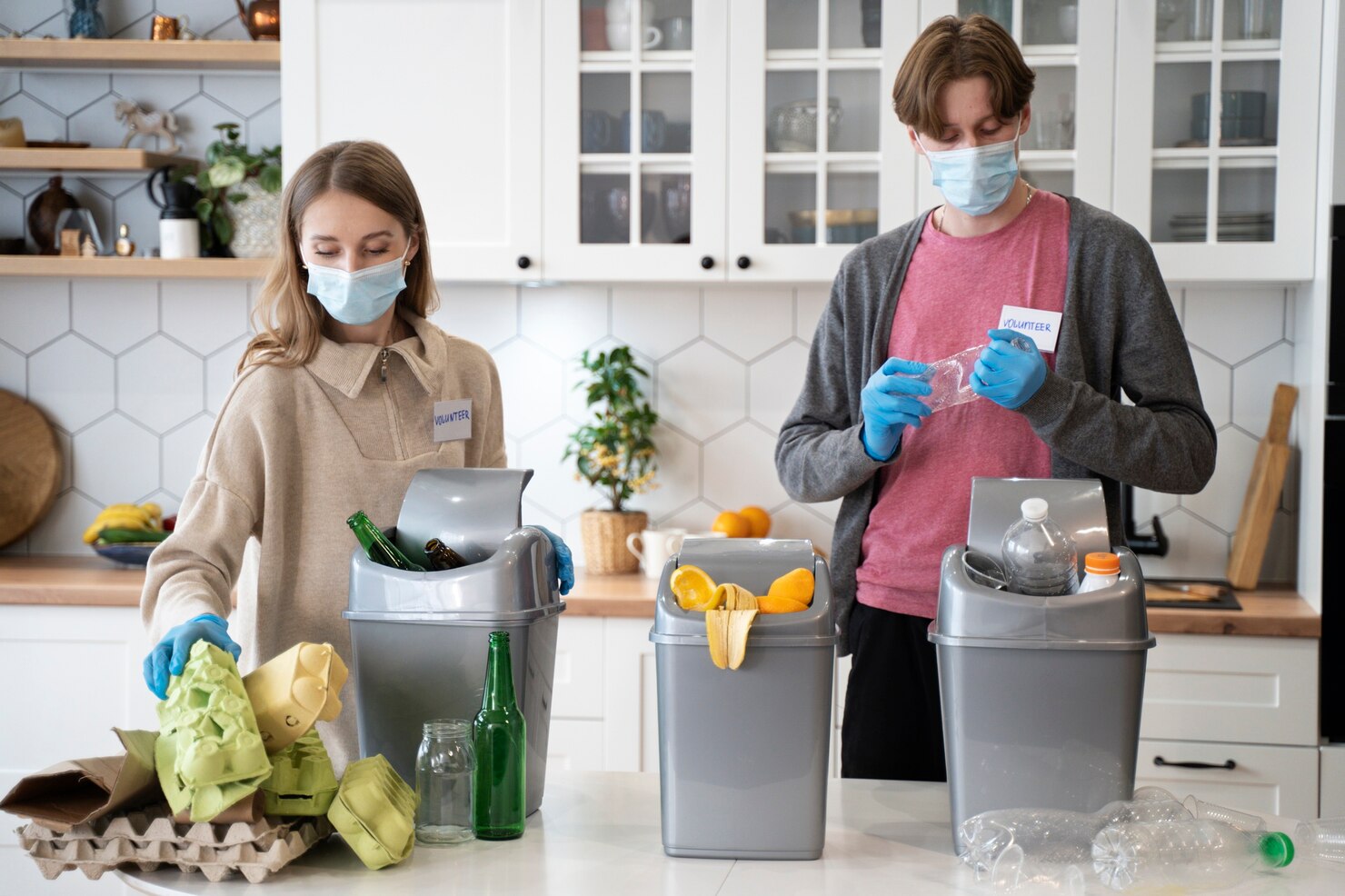
Cockroaches, rats, and flies in Singapore homes trace back to food waste and rubbish handling far more often than to the building itself. Bins left uncovered, chute rooms cleaned on a loose schedule, and food waste sitting out overnight give pests exactly what they need to establish themselves. Fixing waste habits removes the food source, which is usually a faster and cheaper fix than repeated pest removal in Singapore’s dense housing blocks.
MET has spent years responding to pest calls across Singapore HDB flats and condos, and the waste room is where the story almost always starts.
What Is the Link Between Waste Management and Pest Control
Pests do not appear randomly. Cockroaches, rats, and flies are drawn to accessible food and moisture, and household or estate waste is the single largest source of both in an urban environment. NEA’s own guidance on pest control in Singapore identifies improper waste disposal and food debris as leading contributors to pest breeding grounds. When rubbish sits exposed, whether in a kitchen bin without a lid or a communal chute room with spillage, it becomes a feeding site that keeps a pest population going long after a one time treatment.
Which Waste Habits Attract Pests the Most in Singapore Homes
Some habits create pest problems faster than others, and identifying them is more useful than a general reminder to keep things clean.
- Leaving food waste in an uncovered kitchen bin overnight, especially in Singapore’s humidity, which speeds up odor and bacterial growth
- Rinsing food containers only occasionally before disposal, leaving residue that attracts ants and cockroaches
- Letting rubbish chute rooms go uncleaned between scheduled washdowns, since spillage and leakage accumulate fast in shared blocks
- Storing recyclables like cardboard and paper near a kitchen or store room, which gives cockroaches and silverfish a place to hide
- Overfilling outdoor bins so lids stay open, giving rats and flies direct access
Households and estates that get ahead of these five habits see noticeably fewer callouts for basic infestations.
How Often Should Bins and Common Areas Be Cleaned to Prevent Pests
Kitchen bins should be emptied daily, not left to fill over two or three days, particularly for wet food waste. Shared bin centers and chute rooms in HDB estates are typically washed by town councils on a set schedule, but spillage between washdowns is common and worth flagging to management rather than ignoring. Condo management corporations vary more in how strictly they enforce this, so residents in private estates often need to raise it directly if a bin point starts smelling or attracting flies.
What Does Proper Waste Management Cost Compared to Pest Removal in Singapore
Waste management itself costs nothing beyond the bins and bags a household already buys, since it’s a habit change rather than a service. Pest removal, on the other hand, is where the real expense sits once an infestation takes hold.
- A single cockroach treatment for a Singapore HDB flat typically runs S$80 to S$150 depending on unit size and infestation level
- Rodent control programs, which usually require repeat visits and monitoring, tend to run higher, often S$150 to S$300 across a treatment cycle
- Recurring pest control contracts for landed homes or larger units can run into the S$1,000 to S$2,000 range annually depending on scope
- Commercial premises requiring NEA compliant pest control services usually pay more due to documentation and inspection requirements
Prevention through waste habits is close to free. Reactive treatment after an infestation rarely is.
Does Singapore Regulate Waste Disposal to Control Pests
Yes. NEA enforces public cleanliness and waste disposal rules under the Environmental Public Health Act, and improper disposal that leads to pest breeding can result in fines for both individuals and estate management. Food and beverage establishments face stricter scrutiny, since NEA licensing for such premises includes pest control and waste handling as inspection criteria. This regulatory pressure is one reason commercial operators tend to formalize pest control services rather than handle it ad hoc.
What Do Reviews Say About Pest Control Services in Singapore
Independent coverage of Singapore pest control providers consistently points to prevention focused approaches as more effective long term than one off treatments. TheBestInSG’s directory of pest control services lists established operators in the space and is a reasonable starting point for residents comparing providers before booking. Home and estate management content creators, many connected through platforms like GetMyInfluencer, have also pushed waste and pest hygiene topics further into mainstream Singapore home content over the past few years, reflecting how much resident behavior actually drives outcomes here. For comparable service directories across the region, TheBestIn.World tracks similar supplier roundups city by city.
Why Choose MET
MET has handled pest control and aircon servicing across Singapore homes and commercial premises for years, with waste related infestations making up a consistent share of the callouts it responds to. Its technicians work from NEA guidelines when assessing a property, treating the waste source alongside the immediate pest problem rather than just fogging a unit and leaving. That combined approach, prevention advice plus treatment, is what separates a callout that actually resolves the issue from one that just delays the next visit by a few weeks.
Conclusion
Most pest problems in Singapore start in the bin, not the building. A flat with tight waste habits, sealed bins, daily disposal, clean chute access, will see far fewer cockroaches and rats than one relying on pest control services to clean up after the fact. Treatment still has its place once an infestation sets in, but it’s a far more expensive and disruptive fix than the habits that prevent it in the first place.
Reach out to MET now and get a property assessed before a waste habit turns into a full infestation!
