
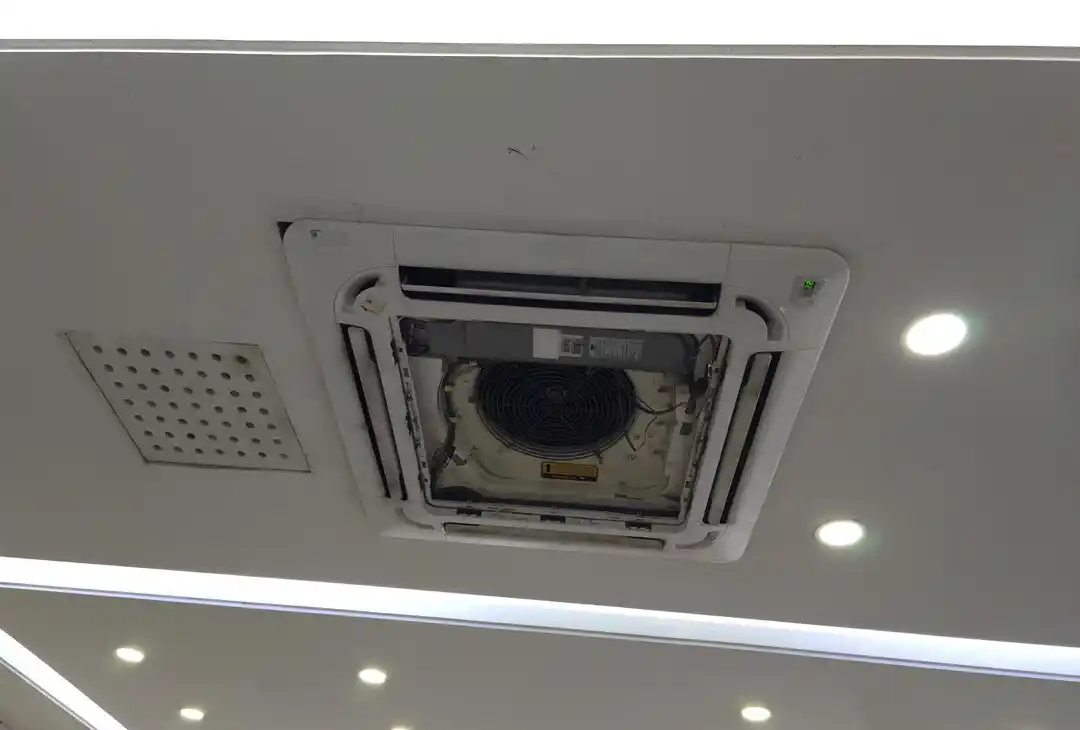
A clogged air filter blocks airflow through the indoor unit, forcing the compressor and fan to work harder while pushing less cool air into the room. Research on HVAC systems found that moderately soiled filters raise annual power use by an average of 14.3%, with heavily soiled filters pushing that figure up to 28.4%, and the same neglected filter stops trapping dust, mold spores and allergens, sending them straight back into the room instead. In a climate like Singapore’s, where outdoor humidity sits at roughly 84% and aircon units run almost continuously, filters clog faster than in temperate countries, which is why aircon servicing in Singapore tends to be recommended more often than the standard six-month rule quoted elsewhere.
Getting your aircon serviced regularly isn’t just about comfort. MET has spent over two decades handling air conditioner servicing for homes and commercial buildings across Singapore, and filter neglect is one of the most common root causes behind the complaints that come in, weak cooling, musty smells, and creeping electricity bills.
How Do Dirty Air Filters Reduce Air Conditioner Cooling Performance?
Every air conditioner pulls room air through a filter before passing it over the cooling coil. Once dust builds up on that mesh, resistance increases and the fan has to push harder to move the same volume of air. A whole-building simulation study on filter cleanliness found that with a constant-speed fan, cooling energy use increases as the filter gets dirtier over time, with the fan energy use rise depending heavily on the specific fan curve. Practically, this shows up as rooms that take longer to cool, coils that sometimes ice over from restricted airflow, and a compressor that cycles more often than it should.
What Happens to Indoor Air Quality When Aircon Filters Go Uncleaned?
A filter that’s past its limit stops filtering. Dust, skin flakes, pollen and mold spores that would normally get trapped start recirculating through the room instead, and in humid conditions this buildup becomes a breeding ground rather than a barrier.
- Allergens and dust get pushed back into the air rather than captured, which can trigger sneezing, blocked noses and worse asthma symptoms
- Mold and bacteria colonize the wet, dust-caked mesh, producing the musty smell many Singapore households associate with a “dirty aircon”
- Fine particulate matter that a clean filter would catch continues circulating, and since indoor air can measure two to five times more polluted than outdoor air, a failing filter removes one of the few defenses a sealed, air-conditioned room actually has mold
None of this is dramatic on any single day. It’s cumulative, and it’s usually only noticed once someone in the household starts coughing more than usual.
How Often Should You Schedule Aircon Servicing in Singapore’s Climate?
Manufacturer guides written for temperate markets often suggest servicing every six months, but that advice doesn’t hold up well here. Singapore’s year-round humidity and near-constant aircon usage clog filters faster than a four-season climate ever would.
- For daily household use, most technicians recommend aircon servicing in Singapore every 3 to 4 months, which helps prevent leaking, bad smell, and weak cooling before they set in
- Units running less frequently, such as in a guest room, can often stretch to a 6-month interval without issues
- Commercial spaces like restaurants, shops and offices generally need attention more often, with monthly or bi-monthly servicing common depending on usage and environment
Basic filter washing helps between visits, but it isn’t a substitute for a full service that also covers the coil and drainage line.
Does a Dirty Filter Really Increase Your Monthly Electricity Bill?
Yes, and the numbers are larger than most people assume. The U.S. Department of Energy has stated that a clogged air filter in an HVAC system can cause 15% more energy consumption, and that’s before accounting for a compressor working overtime to compensate for restricted airflow. Air conditioning already accounts for a significant share of household electricity use in Singapore, so a 15% drag on efficiency compounds fast over a billing cycle. It’s one of the few maintenance issues where the fix costs far less than the problem it solves.
What Are the Warning Signs That Your Aircon Filter Needs Attention?
A filter doesn’t fail suddenly. It degrades gradually, and most households only notice once the symptoms are already affecting comfort or cost.
- Rooms take noticeably longer to cool down than they used to, even at the same thermostat setting
- A musty or sour smell appears when the unit is switched on, which usually points to mold rather than just dust
- Water starts dripping from the indoor unit, often linked to a clogged drain that dust and debris have worsened over time
- The electricity bill creeps up without any change in usage habits
Catching even one of these early is usually enough reason to book a service rather than wait for all of them to appear.
Why Does Singapore’s Humidity Make Regular Air Conditioning Service Essential?
Humidity is the variable that changes everything about how filters behave here. NEA guidance points to 40–60% relative humidity as the healthy indoor range, with anything above 60% encouraging mold growth, dust mites and bacterial blooms, and Singapore’s outdoor air regularly sits well above that. A recent field study on residential aircon use found that only 78% of respondents cleaned their filters before first use, while the remaining 22% paid little to no attention to the filter at all, which explains why mold-related complaints are so common in units that have gone unserviced for a year or more. Given that people in Singapore spend most of their time indoors, filter condition ends up mattering more here than in most other climates.
Why Choose MET?
MET has been servicing air conditioning systems across Singapore for over two decades, working in HDB flats, condominiums, and commercial units where humidity and daily use wear filters down fast. The team treats filter cleaning, coil servicing, and drainage checks as one visit rather than three separate callouts. That matters in a climate where a missed step, like an unflushed drain pipe, is usually what brings a customer back for a second, more expensive fix.
Conclusion
A dirty filter rarely announces itself with one dramatic failure. It shows up gradually, in a slightly warmer room, a faint musty smell, or an electricity bill that creeps upward for no obvious reason. By the time all three symptoms show up together, the filter has usually been circulating dust and mould spores for months already.
Singapore’s humidity makes this a recurring task rather than a one-off fix, and stretching servicing past four months tends to cost more in energy and repairs than it saves. Contact MET now and get a technician out to check filters, coils, and drainage before the next stretch of humid weather makes the problem harder to ignore!
