
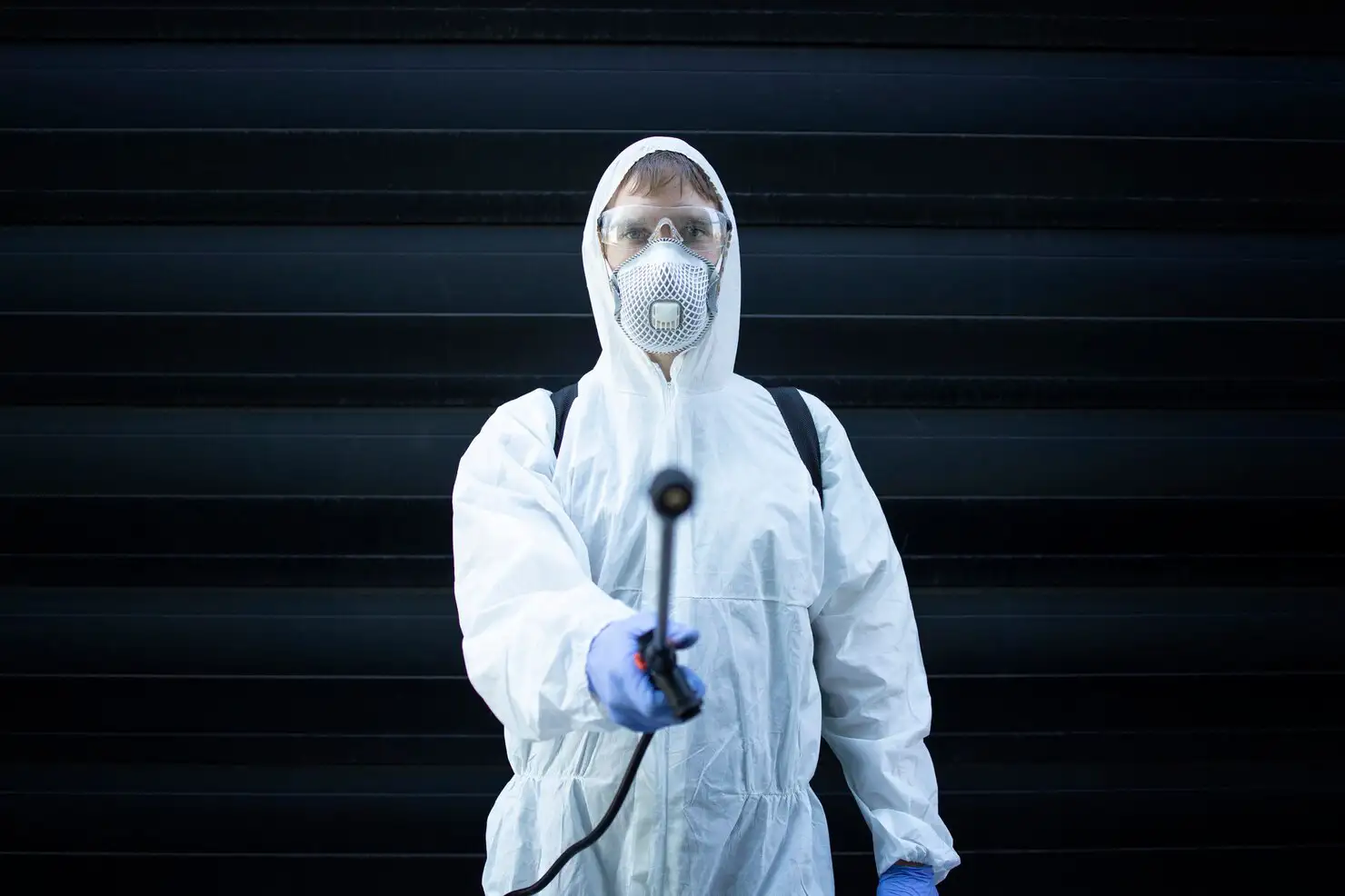
Pest control protects a property’s structure, hygiene, and resale value by catching infestations before they spread into walls, wiring, or shared building systems. In Singapore’s climate, where humidity and dense housing speed up breeding, regular inspections from a licensed operator catch termite activity, rodent entry points, and mosquito breeding sites long before the damage becomes visible. Skipping this step rarely saves money. It usually just delays a bigger bill.
Pest control services exist mainly to prevent infestations, not just clean up after one starts. MET handles this across residential and commercial properties in Singapore, where the gap between routine maintenance and emergency treatment is often the gap between a small inspection fee and a multi-thousand-dollar remediation bill. Termites make this clearest. A colony of 60,000 can consume a foot-long piece of timber in about five months, working entirely out of sight inside walls and door frames.
How Do Different Pests Threaten Property Structure and Value?
Each pest causes damage on its own timeline, and the slow ones tend to be the costliest.
- Termites weaken structural timber and built-in carpentry from the inside, often invisibly.
- Rodents gnaw through wiring and insulation, raising fire risk along with property damage.
- Cockroaches contaminate food surfaces and trigger allergic or asthmatic reactions.
- Bed bugs can damage a rental listing’s reputation overnight without touching the structure at all.
- Mosquitoes carry dengue risk that affects occupants directly, with liability landing on the owner.
Older HDB blocks and ground-floor units near drains tend to see the most combined exposure to these pests.
Why Has Mosquito Control Become More Urgent in Singapore Lately?
Singapore is mid-way through its 2026 dengue season, and the numbers have moved fast. Singapore recorded 119 dengue cases in the week ending June 13, the highest weekly total of 2026 so far, with 12 active dengue clusters as of June 15, including four classified as red-alert. NEA’s 2025 data found that 65 percent of Aedes mosquito breeding sites in cluster areas were located inside homes, not in public spaces. That detail says something most people miss: the problem usually starts on private property.
The picture isn’t entirely bleak. NEA reported more than 600 cases between January and May 15, a 66 percent drop compared with the same period in 2025. Progress and risk can clearly sit side by side in the same season.
What Should a Property Owner Look for in a Pest Control Provider?
Singapore regulates this industry tightly. Only licensed Vector Control Operators may advertise or provide vector control services for mosquitoes, flies, cockroaches, rats, and rat fleas, and any pesticide used must carry NEA registration. Before engaging anyone, ask whether the technician holds a valid license, whether the inspection comes with a written report and photos, and what happens if pests return within the warranty period.
How Does Pest Control Protect Long-Term Resale and Rental Value?
A termite infestation found during a pre-sale inspection can stall a transaction, with the seller usually covering both the treatment and the price discount that follows. A single bed bug review on a rental listing does similar damage to occupancy, and it tends to linger online long after the issue is fixed. Annual inspections cost very little next to that outcome.
How Often Should Pest Control Be Scheduled for a Singapore Property?
There’s no single correct interval. Properties near food centers, ground-floor units, and older buildings with shared waste chutes generally need more frequent checks. A reasonable baseline is a general inspection every three to six months, with annual termite checks given how quietly that problem develops.
Can Pest Infestations Affect Property Insurance Claims?
Most standard home insurance policies in Singapore treat termite and long-term pest damage as a maintenance issue, not a sudden loss, which usually means no coverage. That makes routine inspection more important than most owners assume.
Is DIY Pest Control Enough for Termites or Bed Bugs?
Store-bought baits sometimes hold the line on minor ant or cockroach activity. Termites and bed bugs are different. A DIY spray often kills visible insects while leaving the colony or nest intact, which just delays the real problem by a few months.
Why Choose MET?
MET Engineering brings more than 25 years of hands-on experience to pest control in Singapore, covering everything from termite infestations to mosquito breeding sites across residential and commercial properties. Treatment plans get tailored to the specific pest, property type, and severity of infestation rather than applied as a one-size-fits-all package. Licensed technicians, eco-friendly methods where feasible, and follow-up inspections round out an approach built for long-term results rather than a quick, temporary fix.
Conclusion
Pests rarely announce themselves early. By the time termite damage or a rodent problem becomes visible, the cost of fixing it has usually multiplied several times over from what an early inspection would have caught. Singapore’s climate and dense housing stock make this an ongoing concern rather than a one-time fix, and the data on this year’s dengue clusters makes that point clearly enough on its own.
Regular pest control protects more than comfort. It protects structural integrity, resale value, and the health of everyone living or working on the property. If you are looking to safeguard your property from costly pest damage, choose MET Engineering today and schedule an inspection before a small issue turns into an expensive one!
